
The Howard C. Liebengood Foundation Symposium
The Evolving Law Enforcement Landscape
& the First Responder Mental Health Crisis
September 30 - October 1, 2026 in Washington D.C.
Treating the system, not just the officer.
A national symposium on the conditions that shape first responder mental health.
Law enforcement is operating in one of the most demanding environments in modern history. Shifting public expectations, critical incidents, and ongoing organizational pressures have reshaped the profession, and the impact on officer health and agency stability has never been greater. This inaugural symposium convenes law enforcement leaders, mental health and health care experts, researchers, and bipartisan policymakers to explore practical, evidence-informed solutions. Grounded in research and lived experience, this symposium focuses on translating knowledge into action.
Over two days, participants will examine the evolving policing landscape, confront the profession’s mental health crisis—including elevated rates of suicide, PTSD, depression, and anxiety—and identify strategies to strengthen resilience, crisis response, and organizational leadership.

Sep. 30 – Oct. 1, 2026
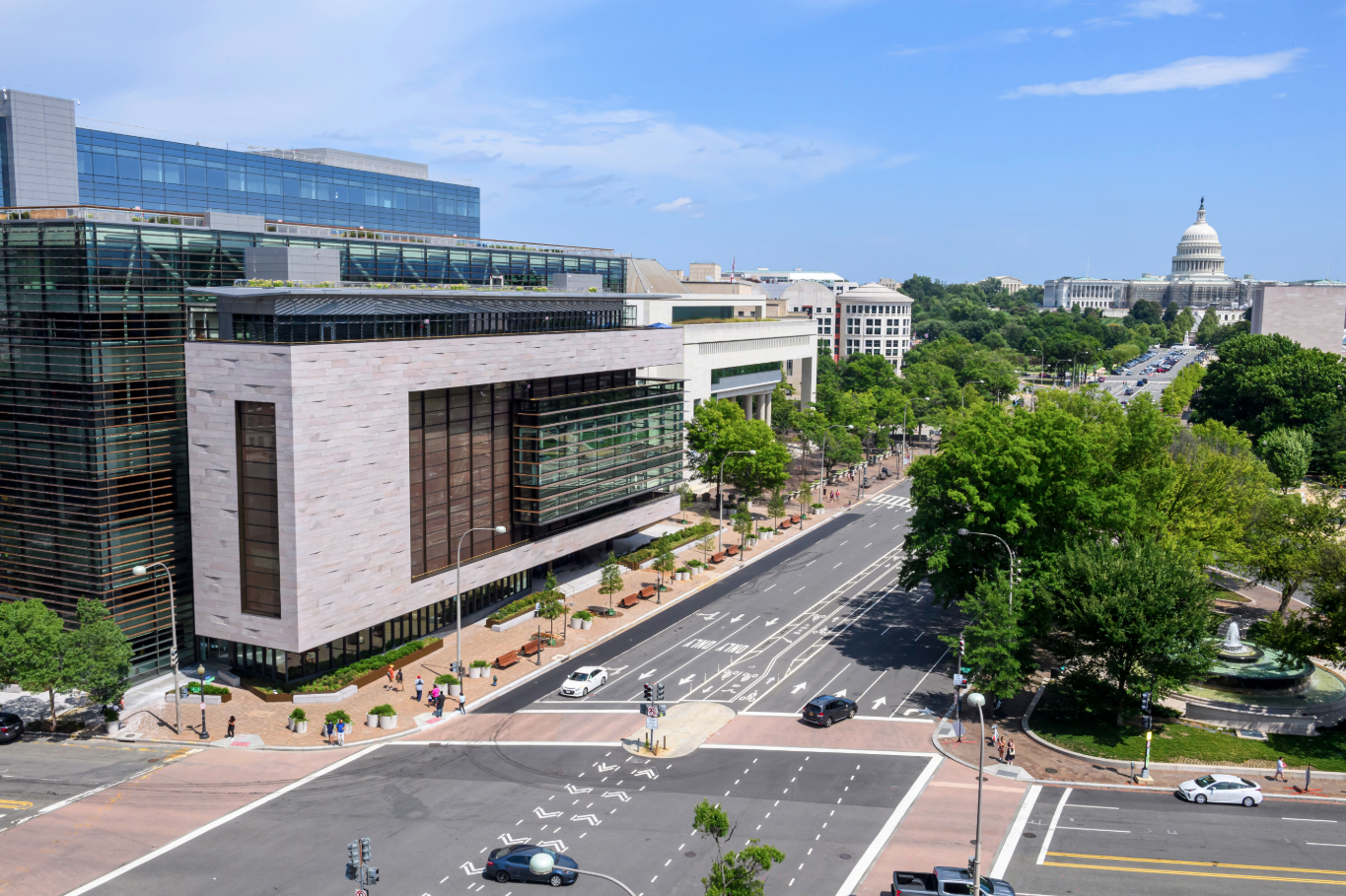
The Johns Hopkins University Bloomberg Center
Washington, D.C.
Registration has closed.
2026 Speakers & Panelists
Speakers at the HCLF Symposium include current and former police and fire chiefs, labor and management leadership, clinical researchers, and senior policy leaders.
-
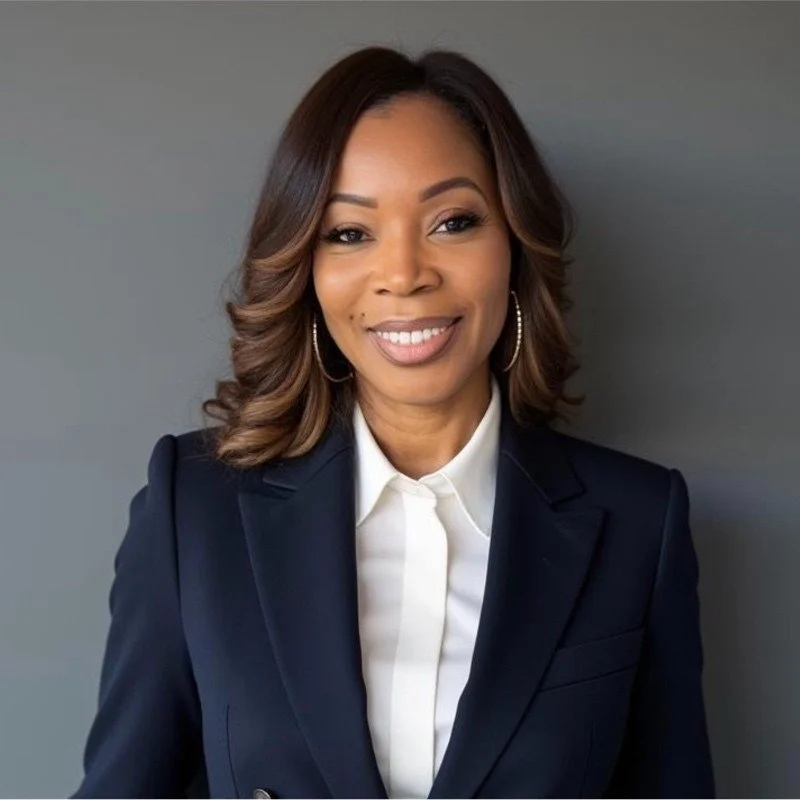
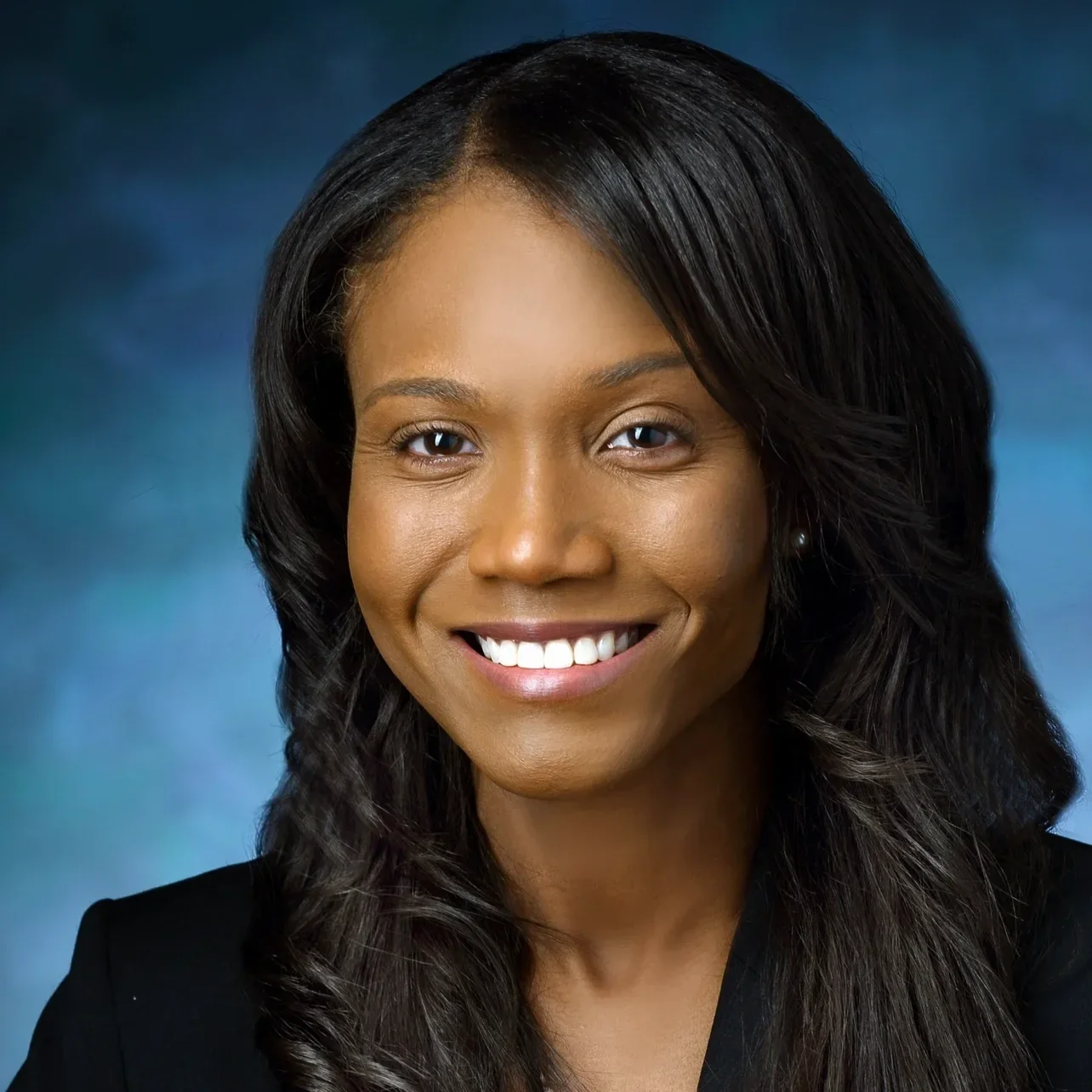
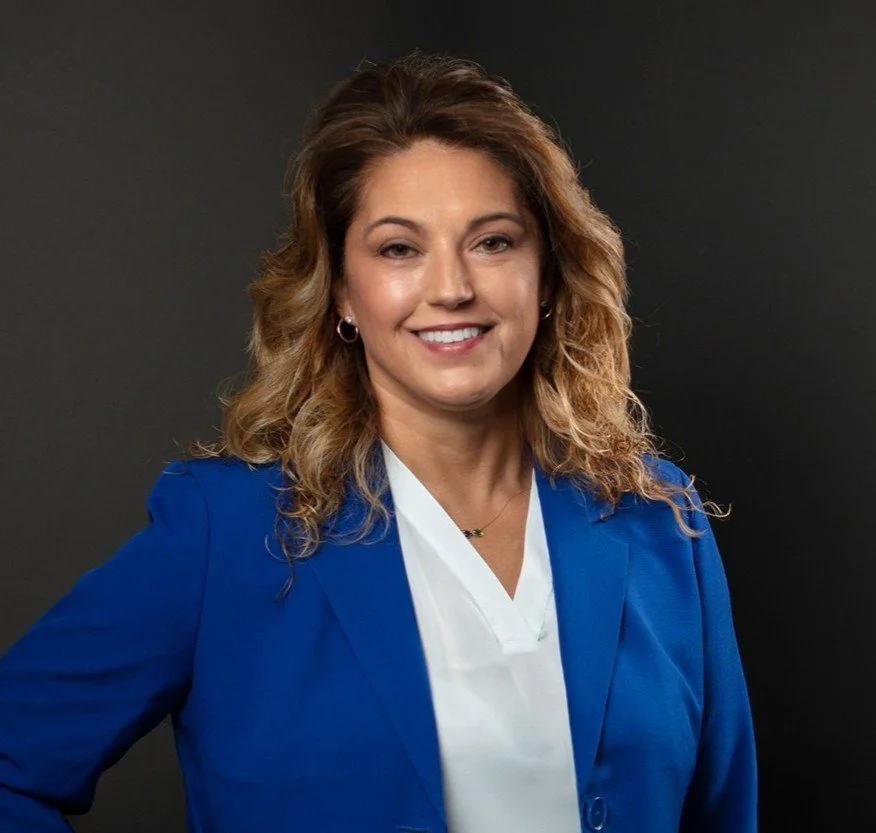
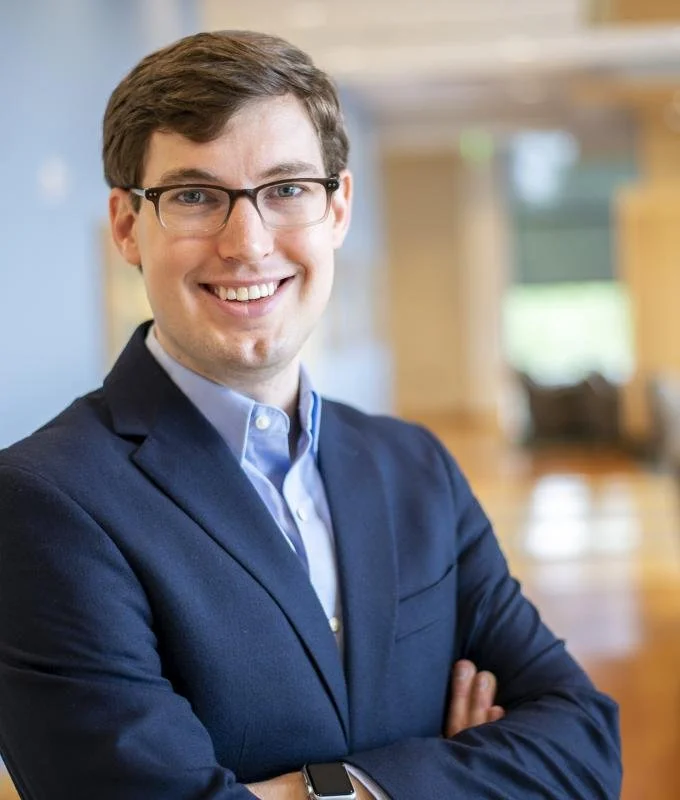
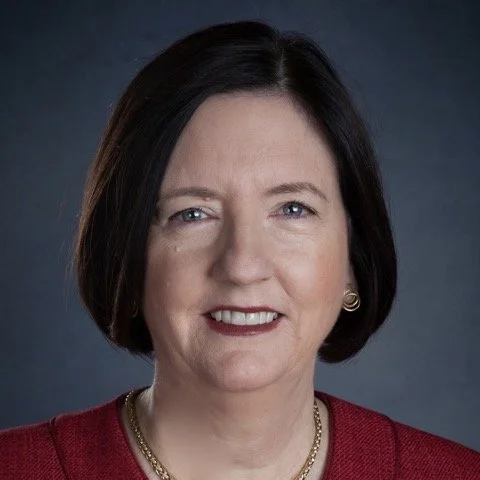
![Michelle Barton, Ph.D.]()
Michelle Barton, Ph.D.
Professor of Practice, Johns Hopkins Carey School of Business
-
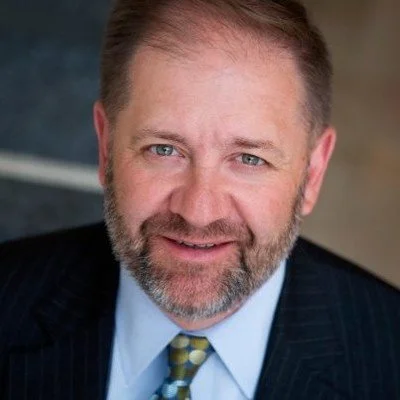
![Terrence M. Cunningham]()
Terrence M. Cunningham
Deputy Executive Director; Chief Operating Officer of the International Association of Chiefs of Police, Former Chief of Police, Wellesley Police Department
-
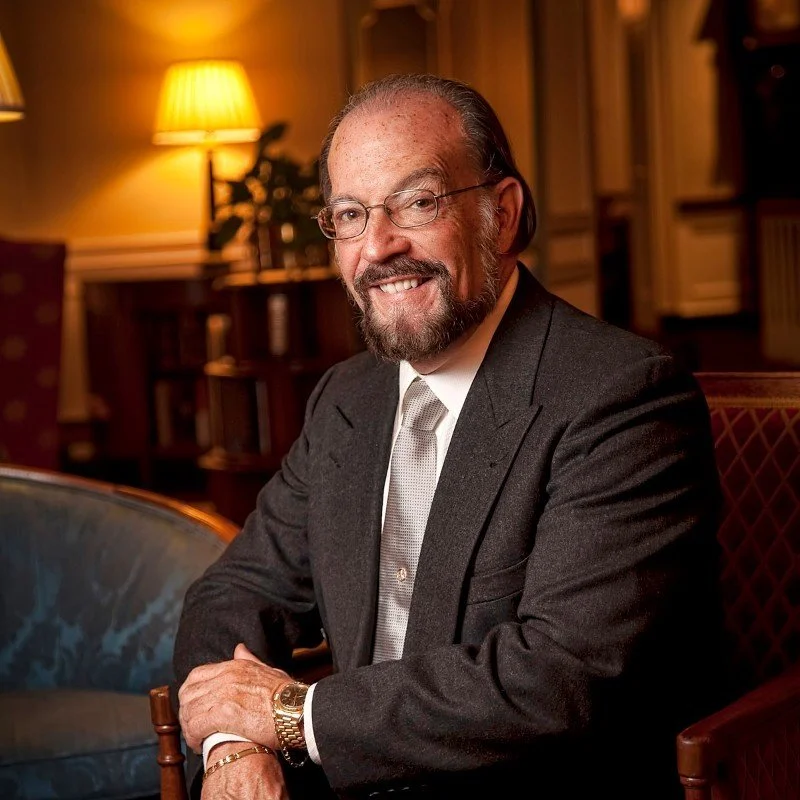
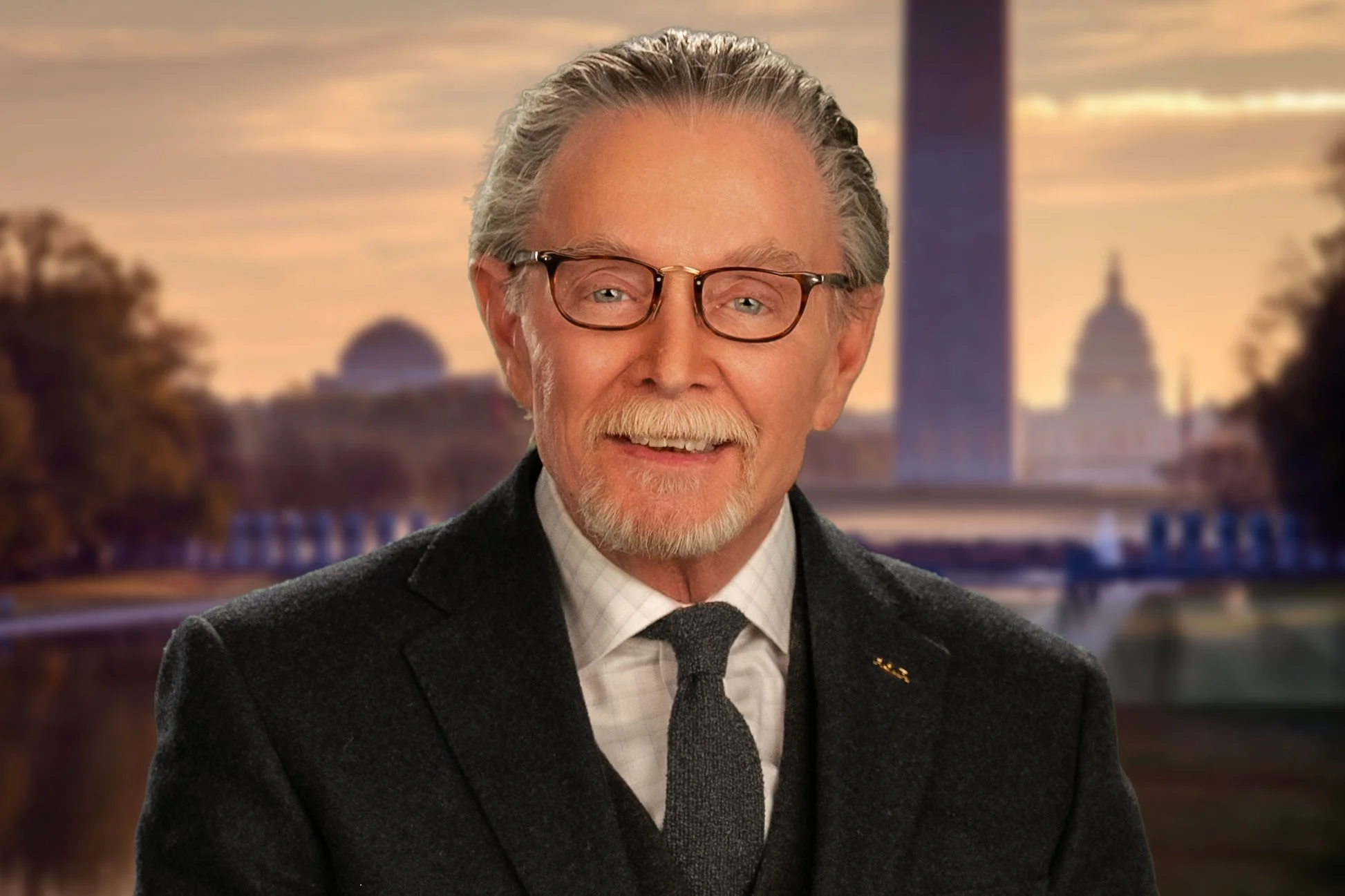
![Ed Davis]()
Ed Davis
Police Commissioner (Ret.) of the City of Boston; President and CEO of the Edward Davis Company
-
![Colby Dolly, Ph.D.]()
Colby Dolly, Ph.D.
Director, National Policing Institute
-
![George S. Everly, Jr., PhD, ABPP, FAPA, FACLP]()
George S. Everly, Jr., Ph.D., ABPP, FAPA, FACLP
Johns Hopkins Bloomberg School of Public Health
-
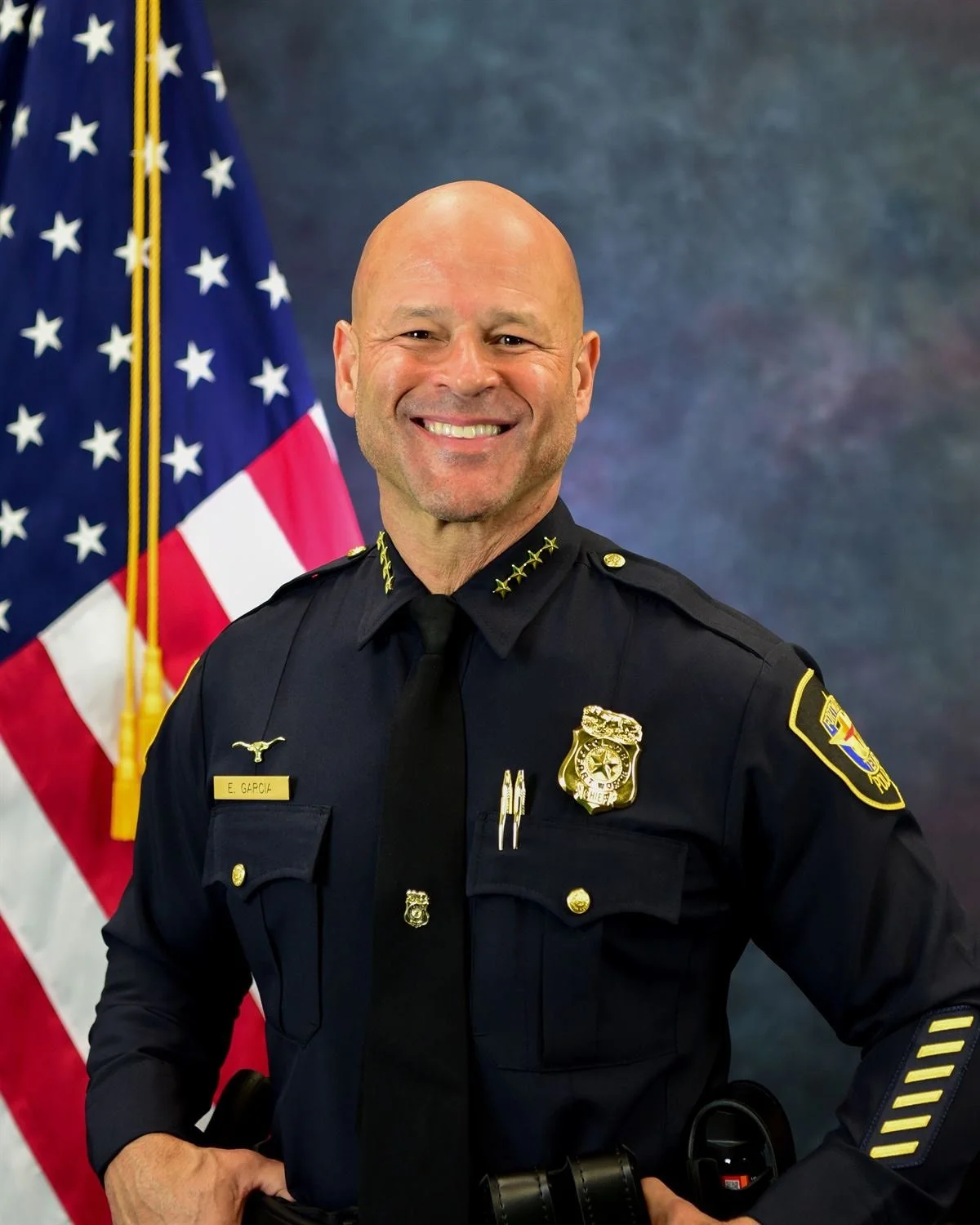
![Chief Eddie Garcia]()
Chief Eddie Garcia
Chief of Police, Fort Worth Police Department
-
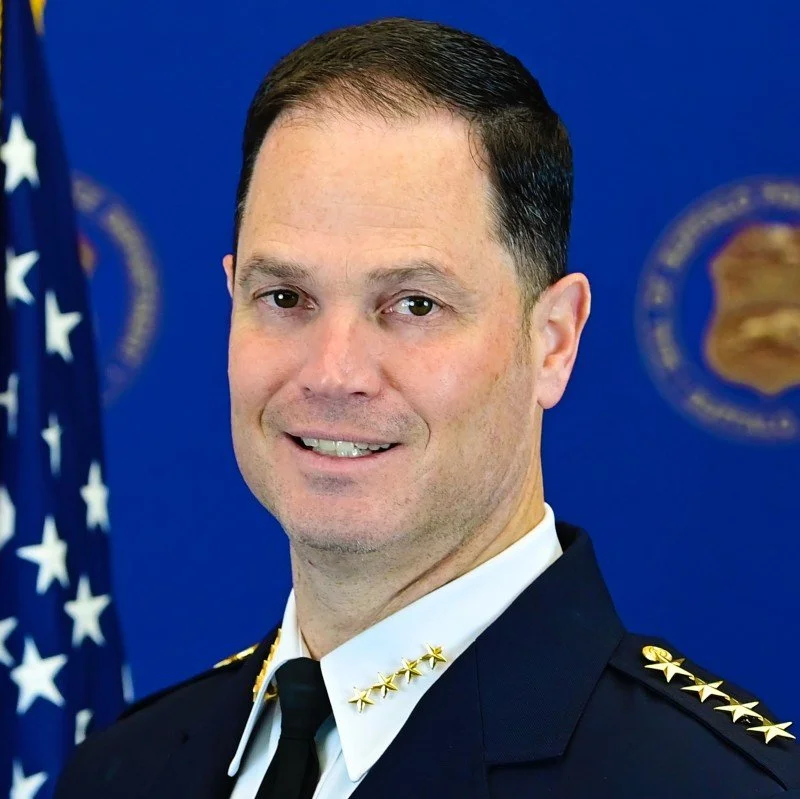
![Joseph Gramaglia]()
Joseph Gramaglia
Founder and Principal at Blue Integrity Solutions LTD, Former Police Commissioner, Buffalo Police Department
-
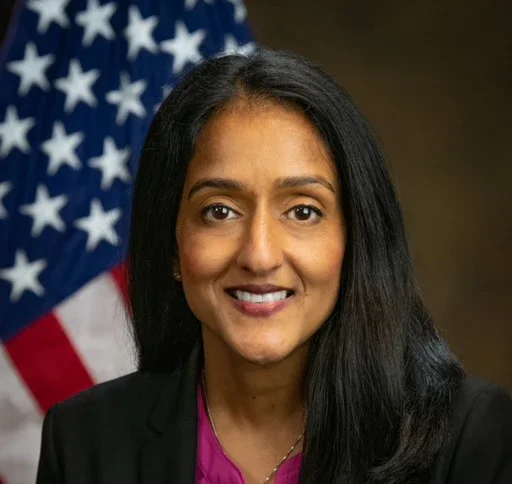
![Vanita Gupta, J.D.]()
Vanita Gupta, J.D.
Distinguished Scholar in Residence, Director, Center for Law and Public Trust, New York University Law School; Former U.S. Associate Attorney General
-
![Renee' Hall]()
Renee' Hall
Immediate Past National President-NOBLE, CEO TUU Enterprises LLC Consulting, Executive Director-CSSC, Harvard University Fellow-Advanced Leadership Initiative (ALI), Chief of Police (Ret.) Dallas Police Department
-
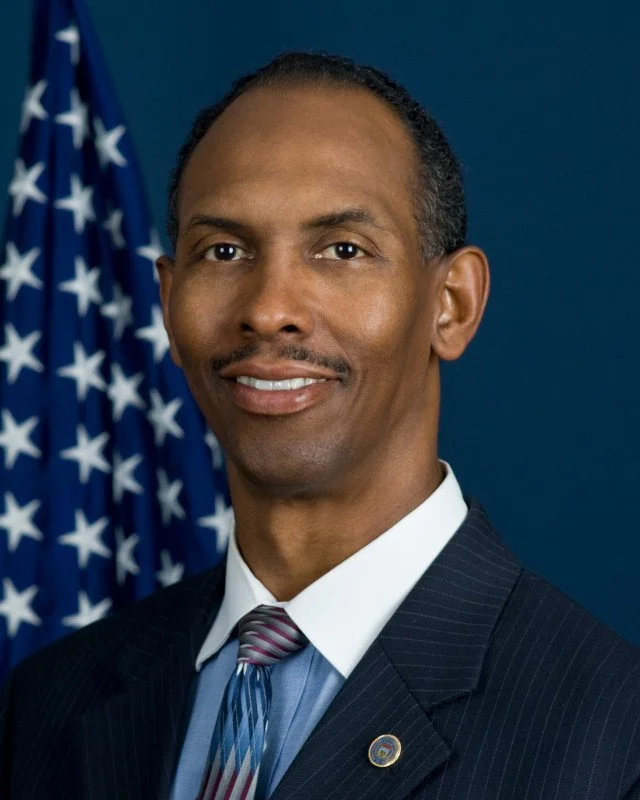
![Director Vernon Herron]()
Director Vernon Herron
Director, Officer Safety and Wellness
Baltimore Police Department -
![Michael Kehoe]()
Michael Kehoe
Chief of Police (Ret.), Newtown Department of Police Services
-
![Gil Kerlikowske]()
Gil Kerlikowske
Former Commissioner U.S. Customs and Border Protection
-
![Serena Liebengood]()
Serena Liebengood, MD, MHSA
Principal & Founder, Howard C. Liebengood Foundation
-
![Sherri Martin, MA, LPCA]()
Sherri Martin, MA, LPCA
Director of Wellness Services, National Fraternal Order of Police
-
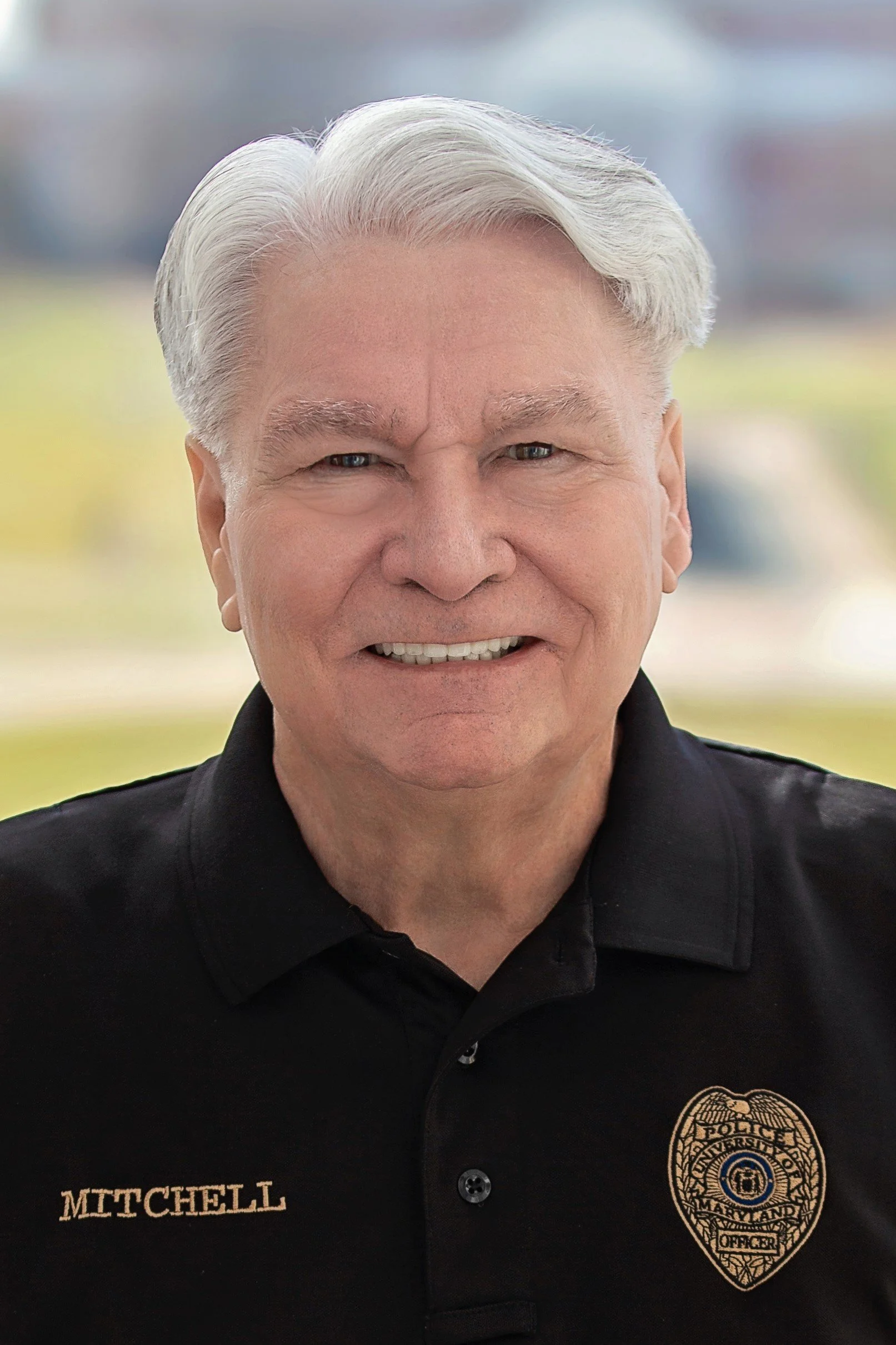
![Chief David Mitchell, JD]()
Chief David Mitchell, J.D.
Chief of Police, University of Maryland Police Department
-
![Chris Myers, PhD]()
Chris Myers, PhD
Peetz Family Professor of Leadership at Johns Hopkins University | Faculty Director of the Center for Innovative Leadership
-
![Kathleen O'Toole,]()
Kathleen O'Toole
Chief of Police/Commissioner (Ret.), Seattle Police Department, Garda Inspectorate, Boston Police Department
-
![Robert Paduchik]()
Robert Paduchik
President at Agincourt Consultants, LLC
-
![Jim Pasco]()
Jim Pasco
Executive Director of the National Fraternal Order of Police
-
![Marvin G. Richardson]()
Marvin G. Richardson
Deputy Director/Chief Operating Officer (Ret.), Bureau of Alcohol, Tobacco, Firearms and Explosives
-
![Greg Schultz]()
Greg Schultz
Strategic Political Advisor
-
![Kathleen Sutcliffe, PhD]()
Kathleen Sutcliffe, Ph.D.
Professor Emeritus, Johns Hopkins Carey School of Business
-
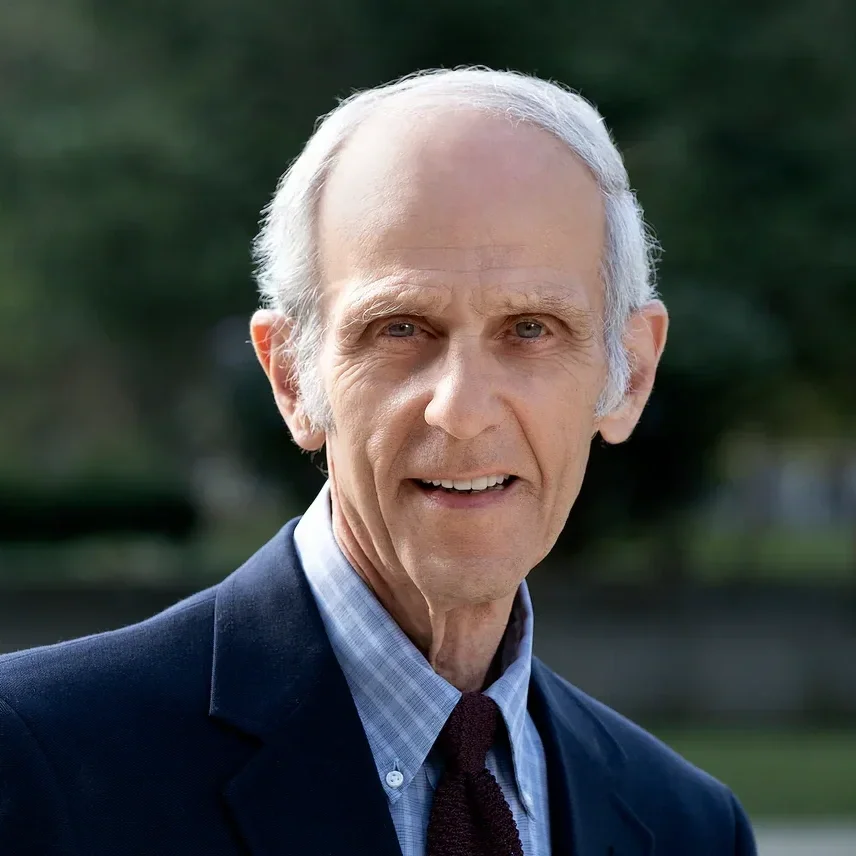
![An elderly man with gray hair in a blue blazer and dress shirt, outdoors with a blurred green background.]()
John Violanti, Ph.D.
Research Professor of Epidemiology and Environmental Health, University at Buffalo School of Public Health and Health Professions
-
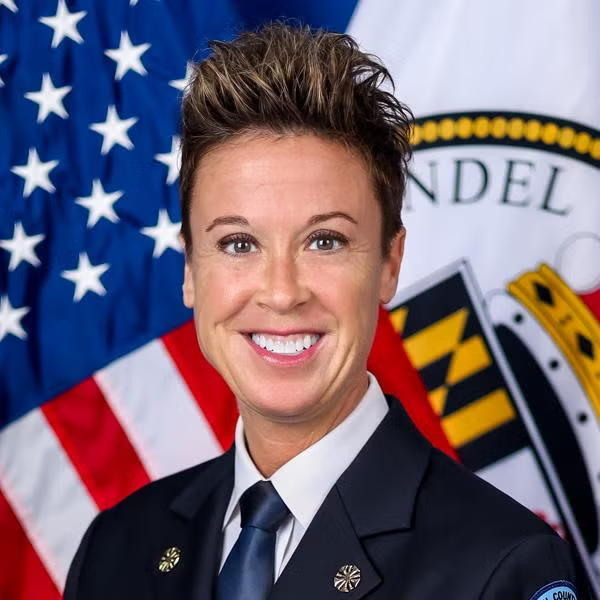
![Chief Trisha Wolford]()
Chief Trisha Wolford
Fire Chief at Anne Arundel County Fire Department. President, International Association of Fire Chiefs
-
![Patrick Yoes]()
Patrick Yoes
President, Fraternal Order of Police

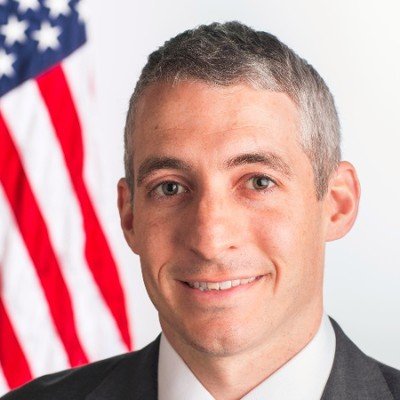
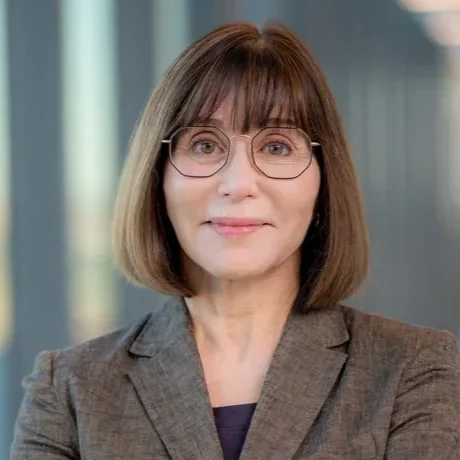
The Event
Two days designed to produce results, not just conversations.
Date: September 30 – October 1, 2026
Location: Johns Hopkins University Bloomberg Center, 555 Pennsylvania Ave NW, Washington, DC 20001
Format: Working forum. Speaker sessions, expert panels, Q&A, and an applied afternoon workshop
Featured Sessions
-
Session highlights include:
The Evolving Law Enforcement Landscape: Terrence M. Cunningham (IACP) and Jim Pasco (FOP) open the event; management and labor in conversation about what has reshaped the profession.
The Mental Health Crisis in Law Enforcement: Dr. John Violanti on occupational stress, the 54% elevated suicide risk, and an ecological framework for response.
Bipartisan Perspectives on Policing Policy: A working conversation across the aisle on legislation, benefits, and the policy levers that affect officer health.
And more!
-
Session highlights include:
Organizational Stress, Uncertainty, Resilience, and Adaptability to Change Kathleen Sutcliffe and Trisha Wolford on building organizational resilience in agencies facing compounding stressors and rising demands.
Strategic Management and Collaborative Labor Relations: A collaborative panel on what labor and management can build together to improve officer well-being.
Leadership Lessons from Navigating Stressful Organizational Events: Vanita Gupta in conversation with Ed Davis, Joseph Gramaglia, Michael Kehoe, and Kathy O’Toole on leading through tragedy, crisis, and organizational pressure.
Leadership Workshop: Michelle Barton and Chris Myers lead an applied working session. Small-group exercises to translate two days of content into an agency-specific plan.
And more!
What you’ll learn
How today’s policing climate is reshaping occupational stress and risk
The drivers of the mental health crisis in law enforcement and how to address it
Effective pre- and post-crisis intervention strategies
Organizational resilience and adaptive leadership approaches
How leadership, policy, and labor–management collaboration improve officer wellness
Who should attend
Law enforcement leaders, management, and labor
Mental health and health care professionals
Researchers, educators, and policymakers
Whether you shape policy, lead an agency, work in law enforcement, support officer wellness, or conduct research, this symposium offers timely insight and practical tools to strengthen the health of the policing profession.
-
Participants engage directly with the leading research on occupational stress, mental health crisis drivers, and intervention efficacy in law enforcement — including what the evidence supports, where the gaps remain, and what questions warrant further inquiry. This is not a survey of familiar talking points; it is an encounter with the field's most current and rigorous thinking.
-
The mental health crisis in law enforcement cannot be understood — or addressed — from within any single discipline. Placing law enforcement executives, behavioral health researchers, clinical practitioners, and bipartisan policymakers in shared inquiry produces a more complete and actionable understanding of the problem than any one perspective can offer alone.
-
Participants leave with a more integrated understanding of the problem across its organizational, clinical, and policy dimensions – the shared framework that enables more effective interdisciplinary collaboration long after the event concludes. HCLF's symposium is designed to be the beginning of an ongoing collective effort, not a standalone event.
-
Discussion, perspectives, and data gathered through the event directly inform HCLF's ongoing research priorities, programmatic development, and policy recommendations. Attending is an act of participation in a field that is actively being shaped.
Our Partners & Sponsors




In Memorium
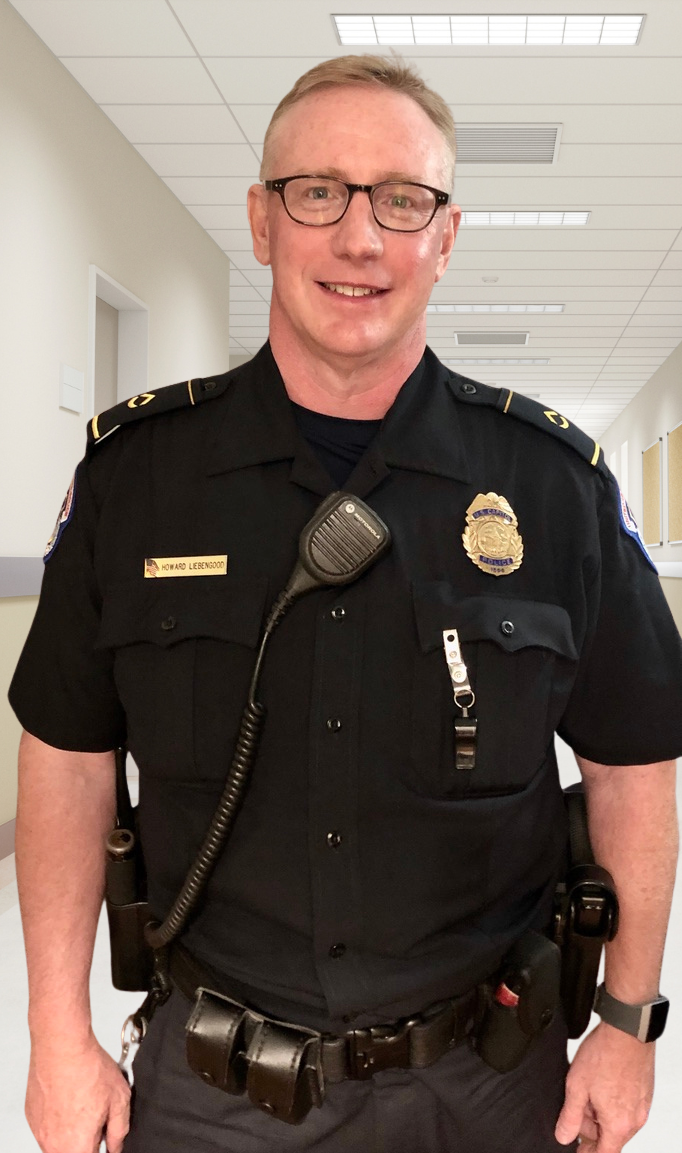
Officer Howard C. Liebengood served 15 years with the United States Capitol Police. He died by suicide in 2021 at the age of 51.
Howie's death was one of thousands. Law enforcement officers are 54% more likely to die by suicide than the general American population. In recent years, officer suicides have outpaced line-of-duty deaths from every other cause. Yet 62% of agencies have no wellness services, and fewer than 5% have suicide prevention programs.
The standard response has been individual: counseling access, peer support, resilience training. Those programs matter. But they don't change the organizational structures, clinical knowledge gaps, and policy failures that produce these outcomes in the first place.
His widow, Dr. Serena Liebengood, a physician at Johns Hopkins University, founded The Howard C. Liebengood Foundation to address the upstream. The inaugural symposium is where that work becomes collective.